
How Well-Managed Water Systems Benefit Our Environment
Proper irrigation is essential for sustainable farming and landscaping. It helps conserve water, reduce waste, and promote healthy plant growth. When executed correctly, these systems minimize environmental impact by preventing runoff and soil erosion. Sustainable practices in irrigation are crucial as they contribute to both agricultural efficiency and ecosystem preservation. By understanding the importance of well-managed water systems, you can make informed decisions that benefit the environment.
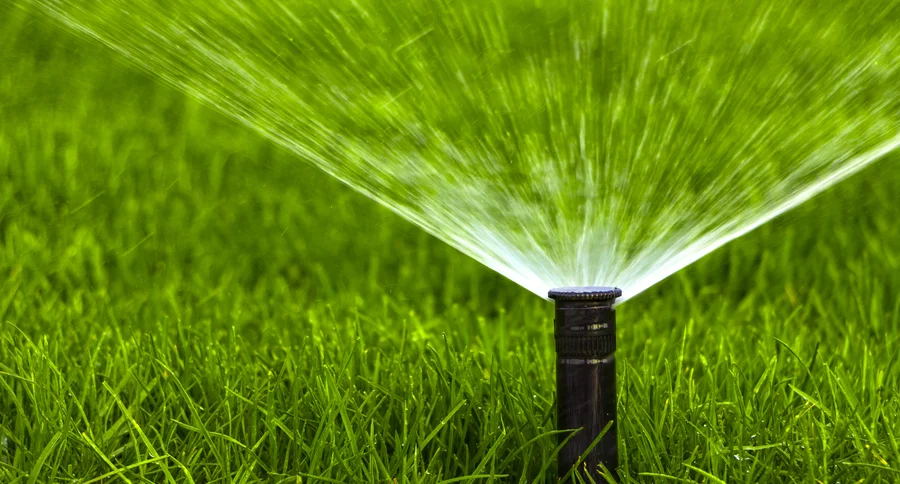
Benefits of Efficient Water Management
Efficient water management through proper irrigation offers numerous advantages. It ensures plants receive adequate moisture, promoting healthier growth. This practice also prevents overwatering, reducing water wastage and conserving this precious resource. Moreover, efficient systems decrease the likelihood of harmful runoff that can pollute local waterways. By optimizing water use, we help maintain a balanced ecosystem and protect natural habitats.
Challenges in Current Practices
Many traditional irrigation methods face challenges such as inefficient water use and increased soil erosion. Poorly planned systems often result in waterlogging or drought stress on plants. Additionally, improper setups can lead to nutrient leaching into waterways, harming aquatic life. Addressing these issues requires careful planning and installation of modern systems designed to optimize water distribution and minimize negative impacts.

Steps for Effective Implementation
Implementing an effective irrigation system involves several key steps:
- Assessing site conditions to determine suitable system types
- Considering factors like soil type, climate, and plant needs
- Selecting appropriate equipment and technology for precision watering
Following these steps during irrigation system installation ensures optimal performance and environmental benefits.
Expert Tips for Sustainable Practices
Experts recommend integrating smart technology with your irrigation systems for better control. Use sensors to monitor soil moisture levels and adjust watering schedules accordingly. Regular maintenance checks are vital to ensure everything functions efficiently. Upgrading to eco-friendly components can further enhance sustainability efforts. These best practices not only support environmental health but also improve your system’s longevity.
Compliance With Industry Standards
Adhering to industry standards is crucial for ensuring quality irrigation system installation. Regulations often require specific criteria for design, operation, and maintenance to prevent environmental harm. Compliance guarantees that systems function efficiently while protecting natural resources. Staying informed about regulatory changes helps maintain high standards and sustainable operations.
Cost Considerations and Value Proposition
Investing in a well-designed irrigation system may involve upfront costs, but it offers significant long-term savings. Efficient systems lower water bills and reduce the need for costly repairs or replacements due to damage from improper installations. Furthermore, the ecological benefits add value by preserving local ecosystems and enhancing property appeal through lush landscapes.
Take Action Toward Sustainability Today
By choosing proper irrigation solutions, you’re contributing to environmental sustainability while enhancing your property’s value. For expert assistance with your project, reach out at (432) 274-7138. Our team at Midland Landscaping Services is based in Midland, TX, ready to deliver exceptional service tailored to your needs.