How Natural Cover Helps Manage Unwanted Plants and Preserve Water
In gardening and agriculture, managing weeds and conserving moisture are essential tasks. Unchecked, weeds can outcompete desired plants for nutrients and water, while a lack of moisture can lead to poor plant health and yield. These issues can be mitigated through effective ground cover techniques. One such method is the use of organic materials to cover soil surfaces. This practice has become popular due to its ability to address these common challenges effectively.
Understanding Organic Ground Covering
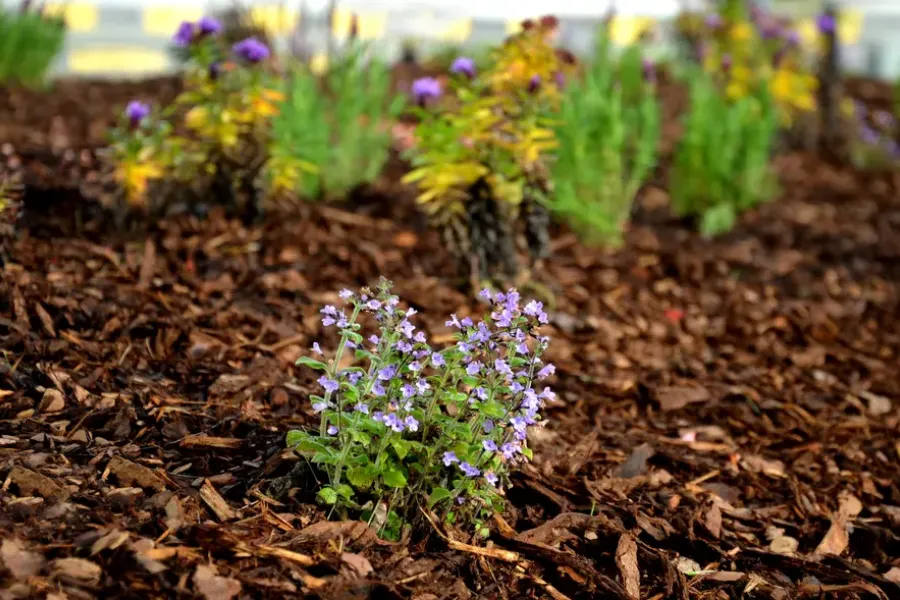
The application of organic materials over the soil surface is known as mulching. It involves placing a layer of natural or synthetic material on top of the soil, which serves multiple purposes. Using organic materials not only reduces weed growth but also helps retain soil moisture. Additionally, it enriches the soil as it decomposes, improving overall plant health.
Benefits of Reducing Weed Growth
One major advantage of applying natural materials to the soil is weed control. By covering the ground, light penetration is reduced, which hinders weed germination and growth. This means less time spent weeding and fewer chemicals needed for weed management. The material acts as a physical barrier, providing a simple yet effective means to limit unwanted plant growth.
Conserving Water Through Soil Cover
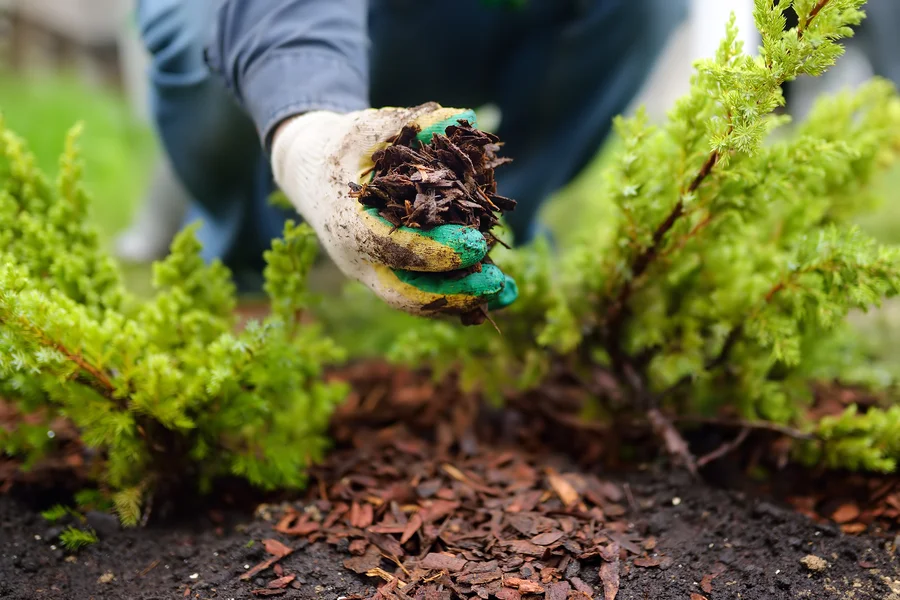
A significant benefit of this technique is moisture conservation. Covering the soil surface with organic matter helps in reducing evaporation. As a result, plants require less frequent watering, leading to water savings and healthier plants during dry spells. This method ensures that moisture remains in the root zone where it is most needed.
Common Challenges in Maintaining Ground Cover
While this practice offers many benefits, there are challenges to consider. Selecting the right type of material is crucial for effectiveness. Some organic options may decompose quickly, requiring frequent replacement. It’s important to choose suitable materials based on climate and specific garden needs. Additionally, improper application can lead to pest problems if not managed correctly.
Steps for Effective Application
- Choose appropriate organic materials like straw or wood chips.
- Clear existing weeds from the area.
- Spread a layer of 2-4 inches thick evenly over the soil.
- Avoid piling material against plant stems to prevent rot.
- Reapply as needed when decomposition occurs.
Expert Tips for Successful Implementation
Experts recommend using organic materials for best results. Choose those that suit your local environment and plant types. Monitor your garden regularly to see how materials affect growth and make adjustments as necessary. Consider integrating other sustainable practices for enhanced ecosystem health.
Cost and Time Efficiency Considerations
This approach can be cost-effective compared to chemical methods. Initial costs vary depending on material choice and availability. However, long-term savings on water bills and reduced need for herbicides make it an attractive option. Implementing this technique demands time investment initially but leads to easier maintenance later.
Final Thoughts With Practical Steps
Using natural materials to cover soil is a valuable strategy for managing weeds and conserving moisture in your garden. It combines simplicity with practicality, offering numerous benefits without heavy reliance on chemicals. For more insights into improving your landscape, contact Midland Landscaping Services today at (432) 274-7138. We provide expert services throughout Midland, TX and are dedicated to enhancing your green spaces.